

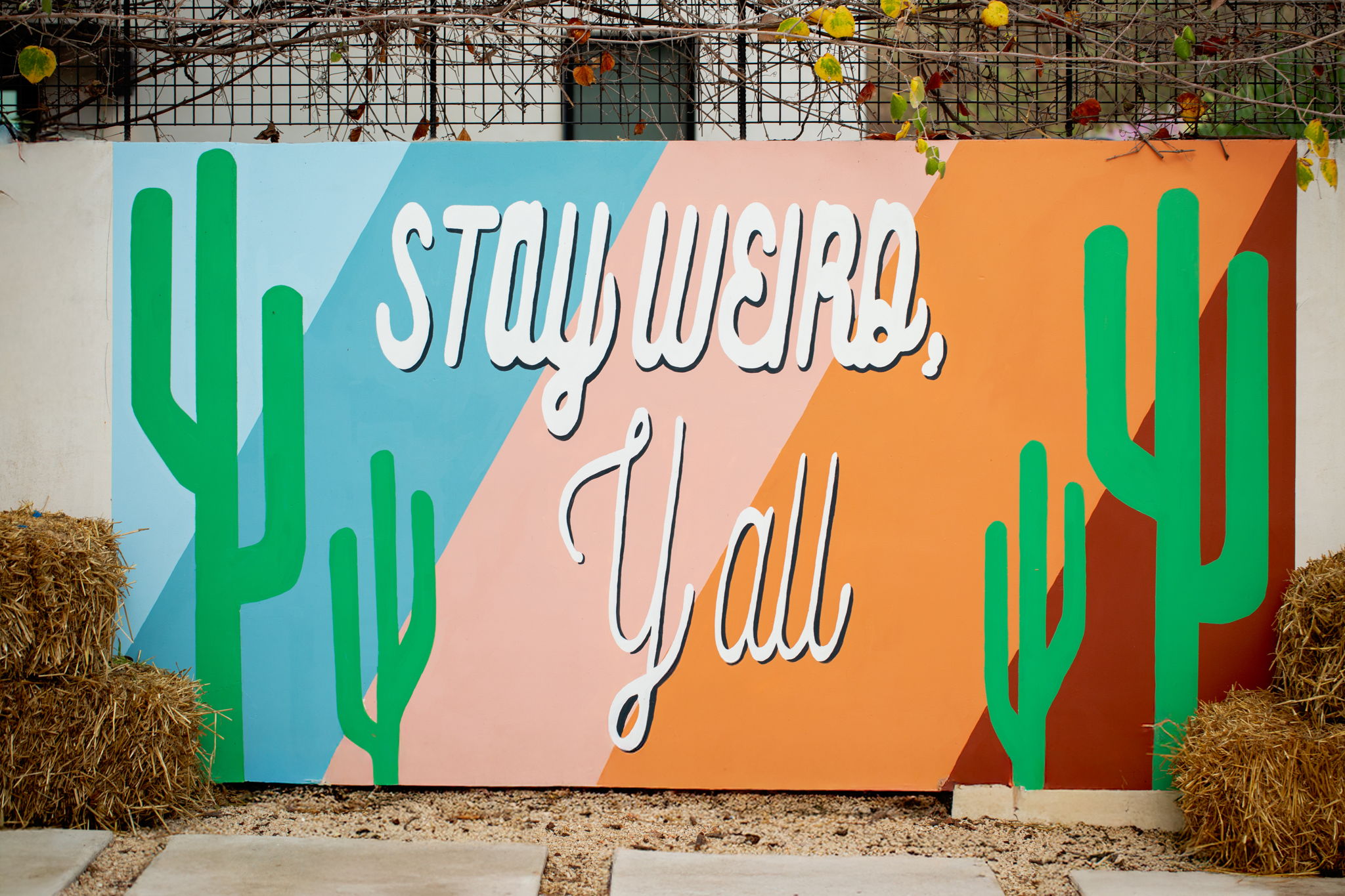
If you look at enough Airbnb listings, you start to notice how similar they feel. Even the well-designed ones.
Clean lines, neutral palettes, nice furniture, decent light. Nothing wrong with any of it, but very little that sticks.
From a guest’s point of view, scrolling through listings often becomes a blur. They’re not comparing details carefully. They’re reacting to images and moving on. A handful of places register. Most don’t.
This is where murals tend to make a difference.
Why murals catch attention in listings
Murals don’t work because they’re trendy or bold for the sake of it. They work because they give a space something recognizable.
A mural creates a visual reference point, something the eye can land on quickly and the brain can remember later.
When guests flip between tabs or try to recall which listing felt more interesting, that reference matters more than most hosts realize.
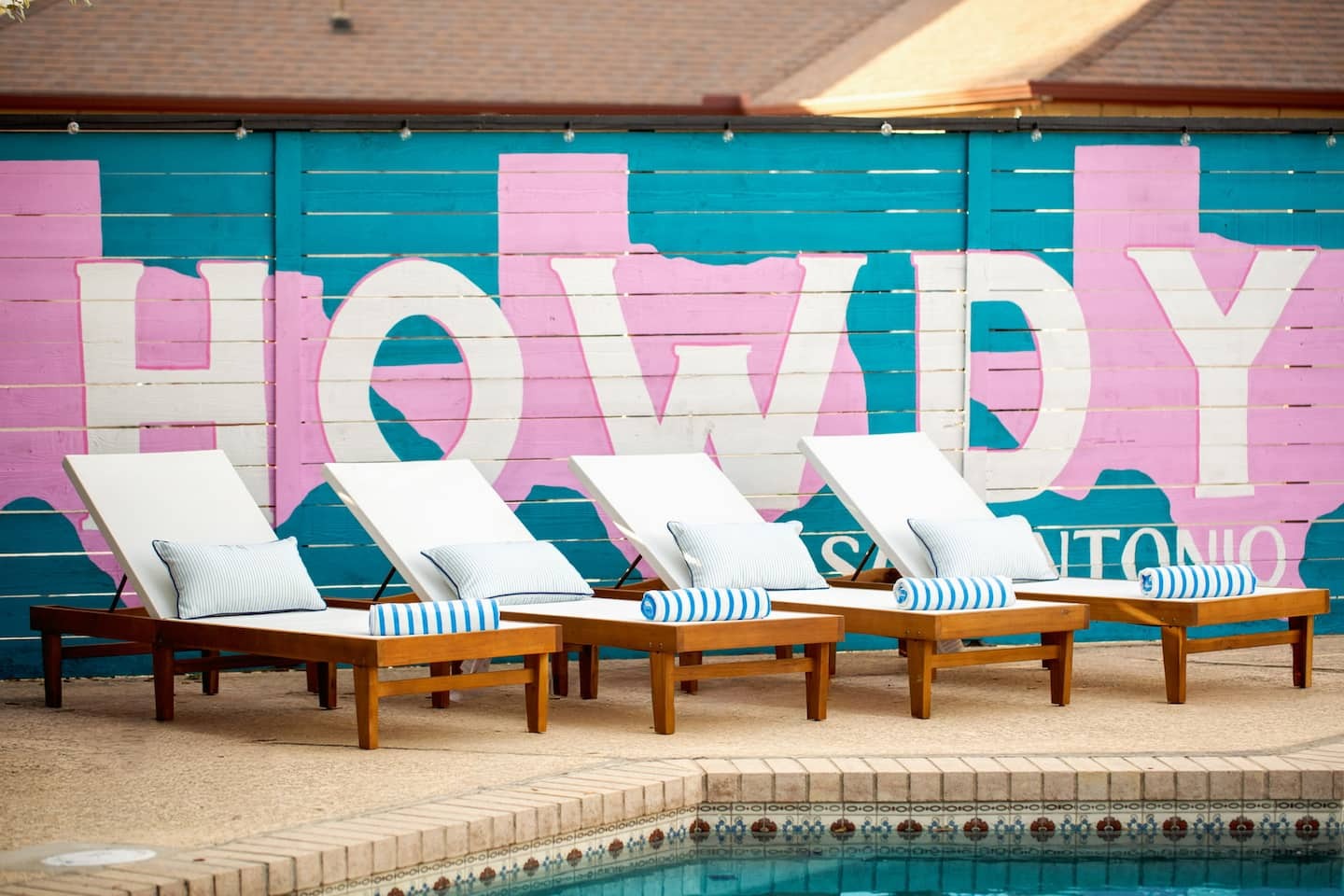
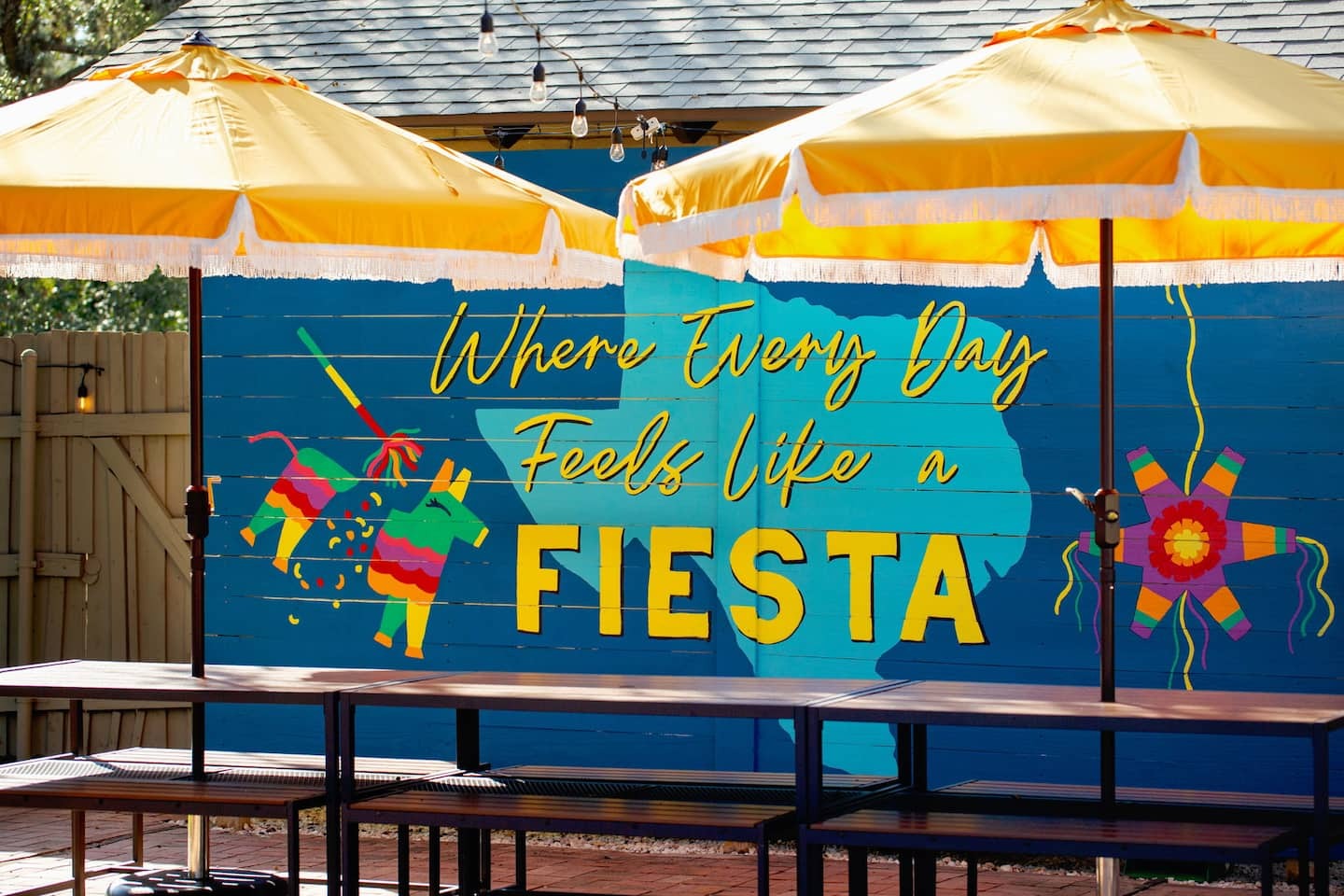
In photos, murals do a lot of quiet work. They add depth, contrast, and intention to a space without cluttering it.
One wall can define the entire room, which makes images easier to read, especially on a phone.
That clarity is important. If a photo takes too long to understand, most guests don’t linger. They scroll.
.jpeg)
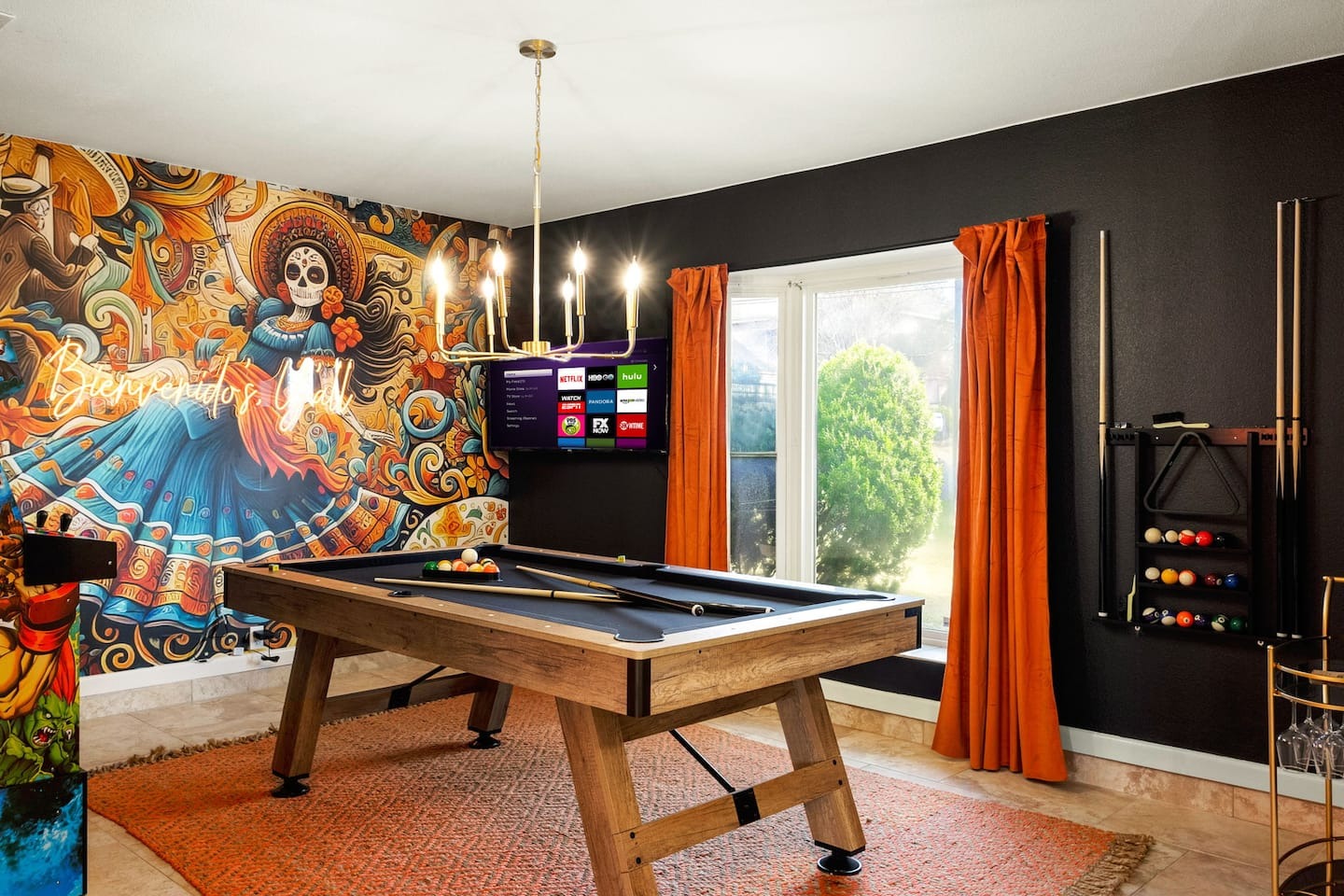
Where murals tend to work best
Placement matters more than style.
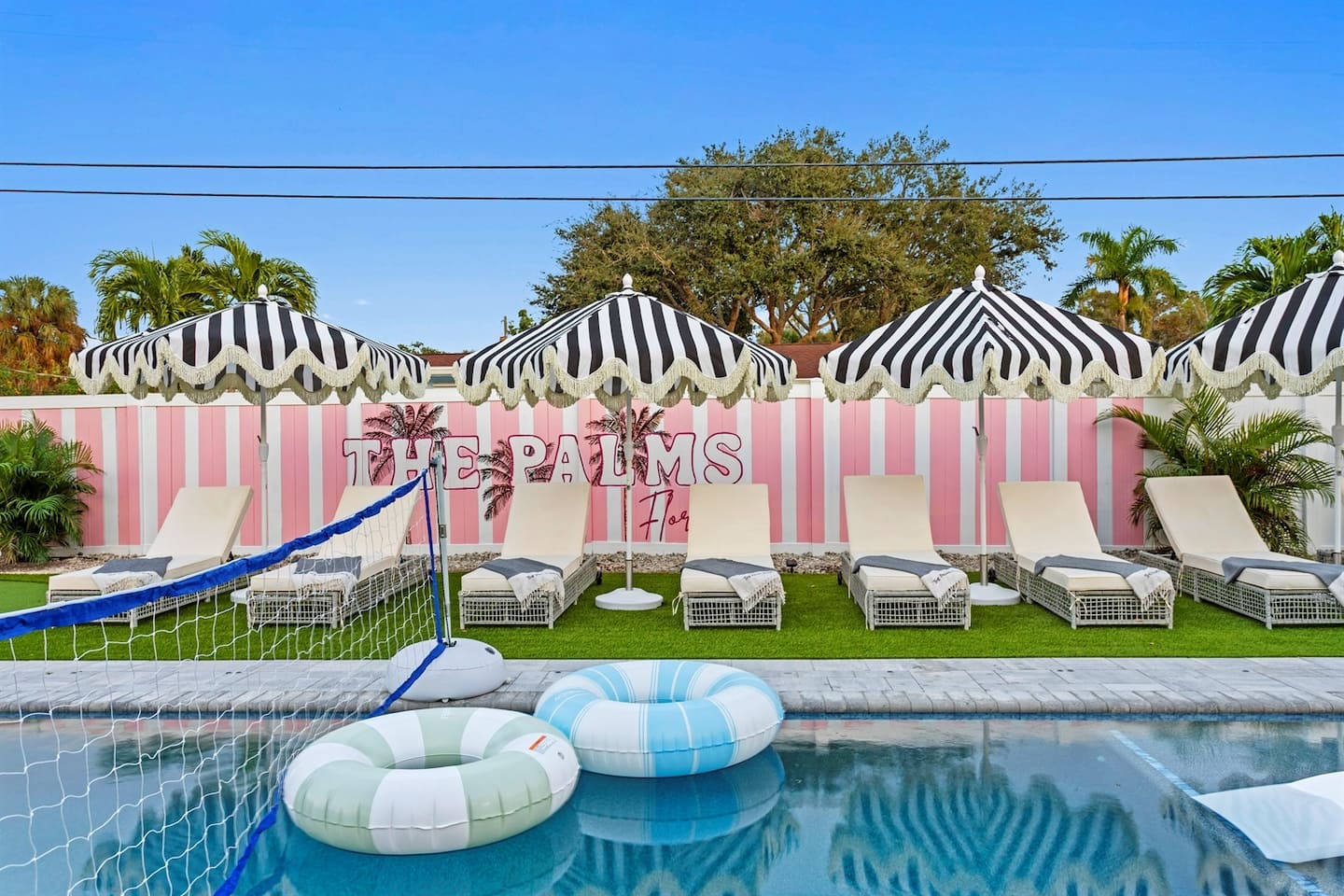
Murals usually perform best in spaces that already carry energy: backyards, game rooms, common areas, or anywhere guests naturally gather.
When a mural shows up early in a photo set and feels connected to how the space is actually used, it starts to anchor the listing visually.
It gives people a shortcut. “Oh, that’s the one with the mural.”
.avif)
.jpg)
The effect murals have beyond the photos
That recognition carries through the rest of the stay.
Guests take photos in front of the mural. They reference it when they talk about the house. It becomes part of the story they tell afterward, even though it’s technically just a wall.
Those small moments of recall are often what separate a forgettable stay from one people mention by name.
.jpeg)
Murals and pricing perception
From a pricing perspective, murals can help shift how a listing is perceived.
Homes that feel interchangeable end up competing on price. Homes with a clear identity are easier to justify at a higher price, especially for group stays where cost gets split and the experience carries more weight than saving a small amount.
A mural alone doesn’t raise revenue, but it often supports the kind of perception that makes higher rates feel reasonable.
When murals fall flat
Murals aren’t magic.
When they’re generic, poorly placed, or disconnected from the rest of the space, they don’t add much. They become background noise, or worse, a distraction. Chasing whatever style happens to be popular rarely works long term.
The strongest murals feel natural to the home and obvious in photos. They don’t need explaining.
.jpg)
A simple takeaway
Used thoughtfully, murals are a relatively simple way to help a short-term rental stand out without overcomplicating the design. They don’t require more furniture, more square footage, or more explanation.
They just make a space easier to notice, easier to remember, and easier to choose.
And in a market where most listings are already nice, that tends to matter more than adding one more amenity.
